Packaging & Waste Reduction: Mono-Materials & Logistics
Packaging comprises the highest single share of European municipal solid waste. Effective reduction eliminates excessive layers, replaces composite laminates with mono-materials, and expands closed-loop deposit return systems.
Designing Out Redundant Mass
Packaging protects products during transit, but modern retail formats frequently add excessive plastic barriers, varnishes, foil hot-stamps, and foam padding. These decorative features disrupt automated recovery lines.
Industrial waste reduction starts by minimizing wall thicknesses (lightweighting) and eliminating secondary outer wrap boxes. The engineering challenge is maintaining puncture resistance and oxygen barrier performance with simpler material profiles.
The Shift to Mono-Material Architecture
Traditional food packaging combines multiple laminated sheets: PET for print clarity, aluminum foil for oxygen exclusion, and polyethylene for heat sealing. These layers cannot be delaminated in standard mechanical wash lines.
- Mono-PE and Mono-PP Pouches: Utilizing a single polymer family for the sealant layer, barrier film, and structural wall allows the entire package to enter standard polyolefin recycling streams without phase-separation problems.
- Water-Dispersible Adhesives: Labels affixed with insoluble glues contaminate paper repulping vats and polymer shred lines. Formulating glues that detach in mild 60°C alkali wash tanks ensures clean recovered flakes.
- Unpigmented HDPE & PET: Deeply colored bottles (green, blue, or opaque black) cannot be turned back into clear containers, restricting them to downcycled goods. Clear resin containers retain broad market utility.
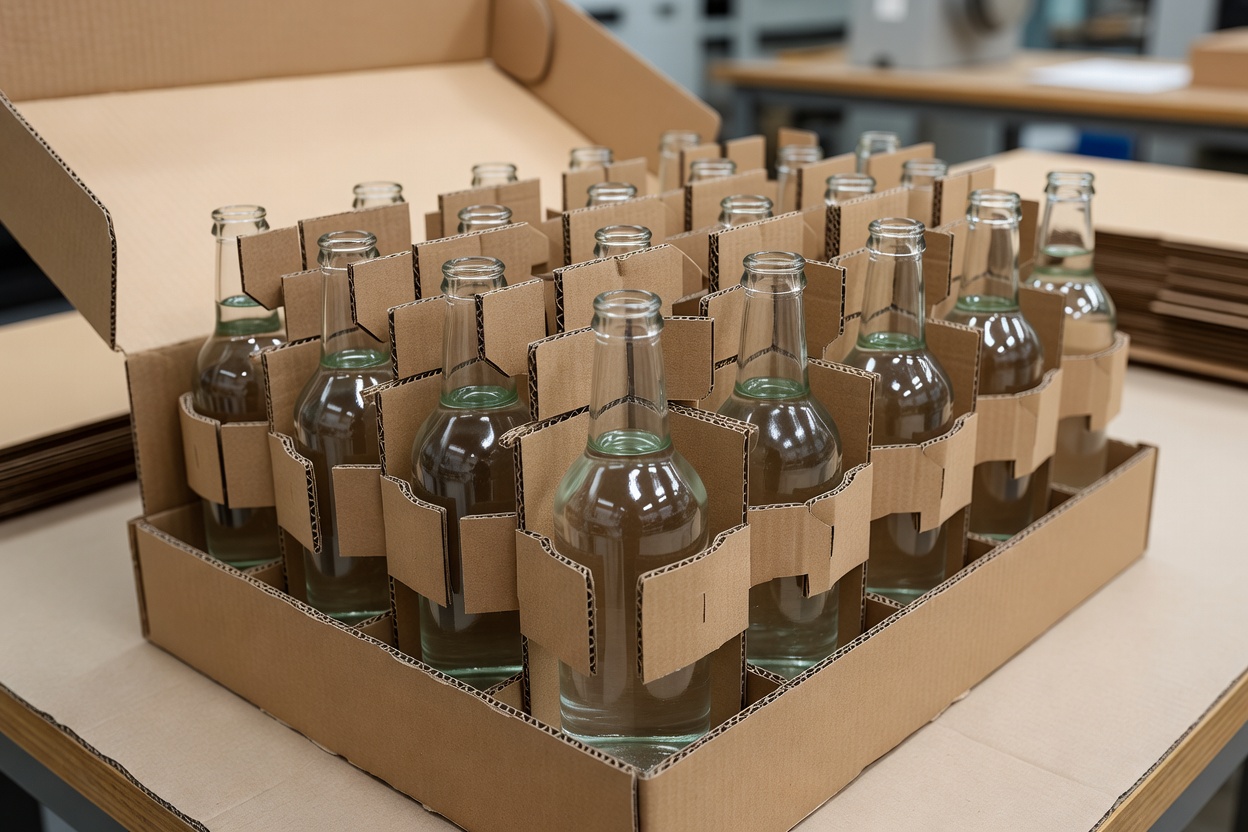
- Fiber-Based Molded Inserts: Replacing expanded polystyrene (EPS) beads with molded pulp created from waste paper provides equivalent shock cushioning and integrates directly into the cardboard recycling stream.
Single-Use vs. Reusable Packaging Trade-Offs
Transitioning from single-use to reusable deposit packaging is not straightforward. Life-cycle impact depends heavily on transit distances and turn rates:
| Factor | Single-Use Lightweight | Reusable Logistics Format |
|---|---|---|
| Tare Weight | Minimal (low deadweight in transit) | High (requires thick structural walls for durability) |
| Turn Cycles | 1 cycle before shredding or landfill | 20 to 50+ wash and refill loops |
| Water / Cleaning Cost | None at user site | Requires hot water, caustic detergents, sanitization |
| Break-Even Threshold | Baseline consumption | Typically requires 15+ returns within local distribution radii |
Deposit-Return Systems (DRS) Infrastructure
Deposit-return systems establish a clear financial incentive for container return. Automated reverse vending machines (RVMs) read barcodes, compress cans and bottles immediately, and maintain uncontaminated recovery streams.
By separating post-consumer beverage containers from grease-laden municipal waste, European deposit-return facilities routinely recover food-grade PET resin suitable for direct bottle-to-bottle closed loops.
Good For
- Regional beverage distribution networks with high route density.
- Standardized B2B logistics totes, shipping crates, and industrial pallet collars.
- Dry consumer commodities compatible with bulk refill dispensers.
- Standardized unbleached cardboard shipping configurations.
What to Know
- Heavy reusable containers shipped over long distances can produce more transport emissions than lightweight single-use formats.
- Barrier elimination can shorten shelf life for oxygen-sensitive food products.
- Deposit infrastructure demands substantial upfront capital for automated reverse vending machines.
- Multi-material caps and pumps often contaminate mono-material container bodies.
Assess Packaging Compliance
Our European desk assists logistics directors with mono-material specification and return network planning.
Contact Atlas Operations