Circular Product Design: Design for Disassembly & Modularity
Recovery outcomes are determined during initial CAD drafting. Designing for circularity requires engineers to reject permanent adhesive bonds, minimize fastener types, and design subassemblies for rapid manual or automated separation.
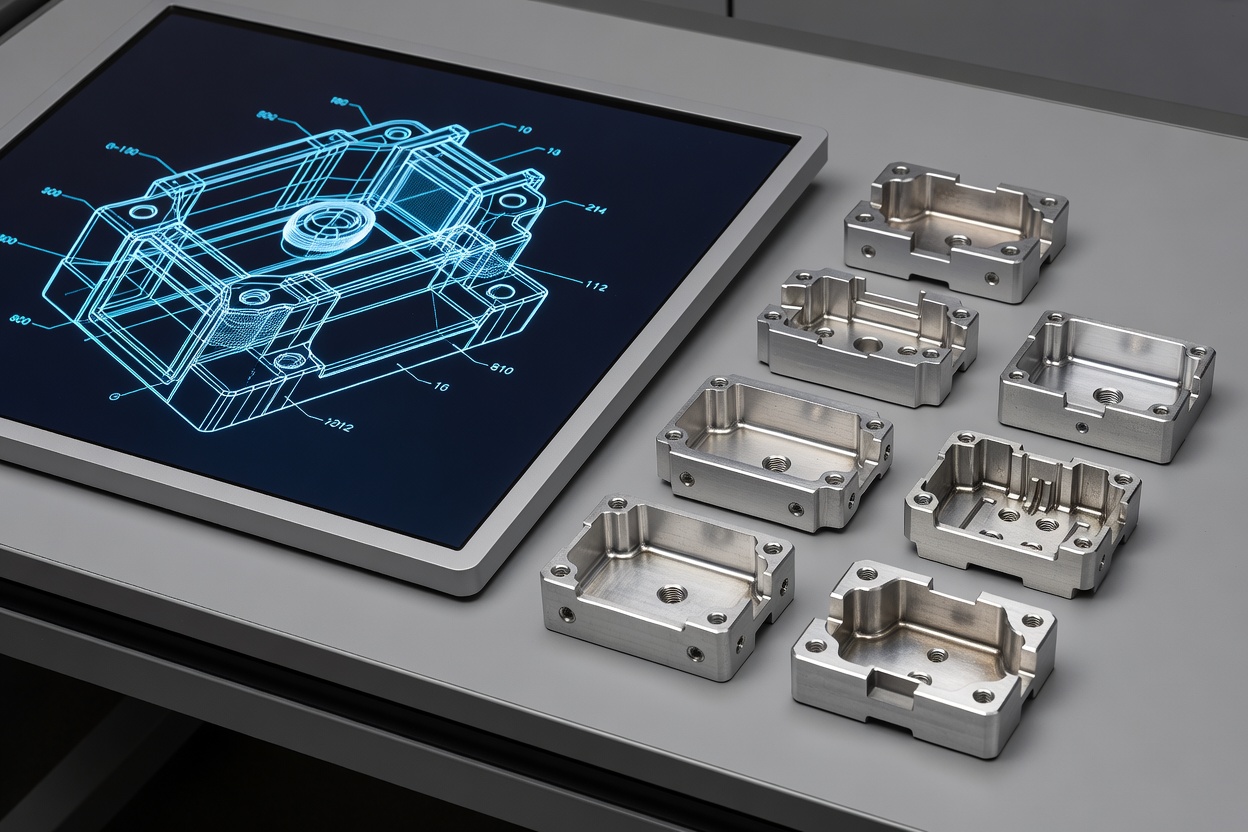
Preventing Downstream Contamination
When an appliance reaches the end of its operational lifespan, processing centers must quickly strip valuable components. If a product requires destructive crushing to access the copper stator or battery cell, material purity is compromised.
Design for Disassembly (DfD) approaches end-of-life recovery as an engineering design constraint. By structuring products into clear functional subassemblies, manufacturers simplify repair during use and enable clean sorting at disposal.
Core Principles of Design for Disassembly (DfD)
Engineers implement DfD using clear, standardized design guidelines:
- Reversible Mechanical Fastening: Replace hot-melt adhesives, solvent cements, and ultrasonic welding with reusable mechanical clips, retaining rings, or metric machine screws.
- Fastener Standardization: Utilize one or two standard screw drives (such as T10 Torx or PH2 Phillips) throughout an entire assembly. This allows technicians to disassemble the device without switching tools.
- Molded Material Identifiers: Stamp standardized polymer resin codes directly into inner plastic ribs (such as >PP-GF30< for glass-filled polypropylene) to ensure accurate identification at shredder lines.
- Access Hierarchy: High-wear subassemblies—such as lithium battery cells, motor brushes, and filter membranes—must be accessible within the first layer of disassembly without removing structural chassis plates.
Modular Architecture vs. Integrated Monocoques
Industrial packaging often prioritizes sleek monocoque shells over accessible, repairable architectures:
| Feature | Modular Design Architecture | Integrated Monocoque Assembly |
|---|---|---|
| Disassembly Time | Fast (under 3 minutes with standard tools) | Slow / destructive (heat guns, prying chisels required) |
| Part Upgradability | Individual modules swap cleanly | Entire unit must be retired if one sub-circuit fails |
| Chassis Volume & Mass | Marginally higher due to mechanical brackets | Minimal structural volume and light weight |
| End-of-Life Purity | High; yields clean, unmixed metal and polymer lots | Poor; mixed shreds require downcycling |
Material Selection for Closed-Loop Compatibility
Material choices in product design directly determine recycling viability:
- Avoid Metal Inserts in Plastics: Brass heat-set threaded inserts molded into plastic parts foul plastic shredders and downcycle the batch. Use thread-forming screws driven directly into polymer bosses instead.
- Eliminate Heavy Metal Pigments: Cadmium and lead-based color additives complicate European chemical safety compliance for secondary resin batches.
- Uncoated Metal Alloys: Chrome plating on steel or plastics requires acid-stripping baths before re-smelting. Prefer polished or anodized finishes that enter furnaces cleanly.
- Electrolytic Battery Quick-Release: Battery packs must feature mechanical slide rails or pull-tab release tapes rather than structural epoxy potting that risks puncture during removal.
Good For
- Consumer computing hardware, laptops, and mobile communication devices.
- Commercial building equipment, modular luminaires, and HVAC manifolds.
- Power generation inverters, motor drives, and industrial automation blocks.
- Long-lifespan modular domestic appliances.
What to Know
- Modular frames can increase bill-of-materials costs during initial tooling.
- Waterproof seals (IP68 ratings) require careful gasket engineering to avoid permanent adhesives.
- Standardized fasteners can add marginal weight compared to ultrasonic welding.
- Clear disassembly manuals are required alongside physical design improvements.
Consult on Modular Disassembly
Our European desk assists industrial design offices with DfD audits and fastener standardization plans.
Contact Atlas Operations