European Circular Material Atlas — 2026 Reference

EUROPE'S MATERIALS, MOVING IN CIRCLES.

European industrial networks discard critical secondary raw materials annually through incomplete reclamation pipelines. Modern recovery demands coordinated mechanical sorting, modular component disassembly, standardized packaging formats, and validated repair protocols. This independent atlas indexes technical practices, material flows, and infrastructure models across European resource loops.

05 Core Technical Streams
100% Secondary Resin Audits
Solid Industrial Infrastructure Data
Material Vector Diagram Ref: EU-FLUX-01
Material Reference Frameworks

Five Operational Circular Streams

Industrial approaches to waste elimination across design, collection, and secondary manufacturing.

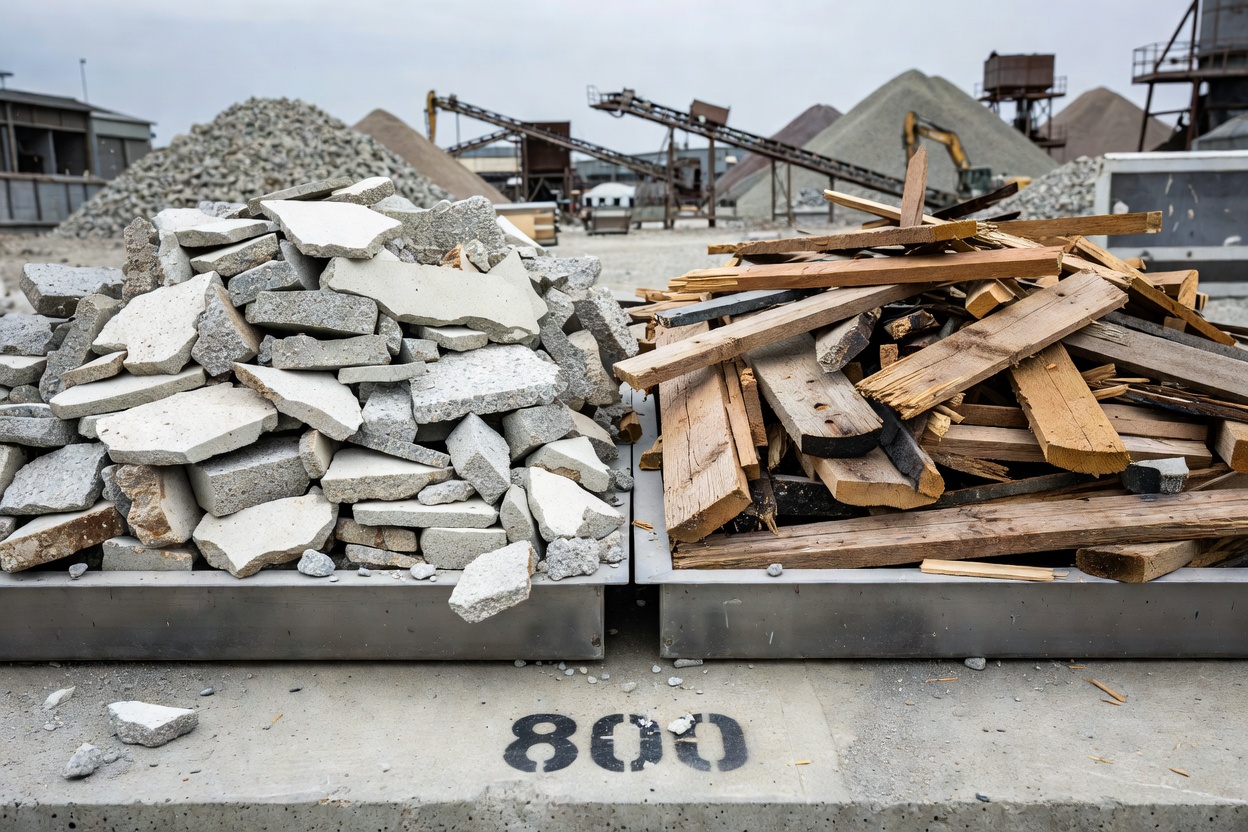
Industrial aggregate material samples separated into concrete and timber fragments for reuse
System Mechanics Pan-European Standards

Circular Economy Basics

Linear material paths extract, fabricate, and discard. Circular frameworks preserve raw component value through cascaded reclamation tiers, prioritizing maintenance and remanufacture above destructive thermal disposal.

Stream Focus: Closed-Loop Principles & Limitations

Flow Architecture Hierarchy Mass Balance
Technical repair workstation with organized precision hand tools, electronic circuit boards, and diagnostic multimeters
Longevity Systems Municipal & Commercial

Reuse & Repair Systems

Extending product operational lifespans delays the energy cost of raw remelting. Localized refurbishment workshops, standardized diagnostic access, and modular parts inventory preserve embedded manufacturing energy.

Stream Focus: Reverse Logistics & Right to Repair
Refurbishment Spare Parts Take-Back
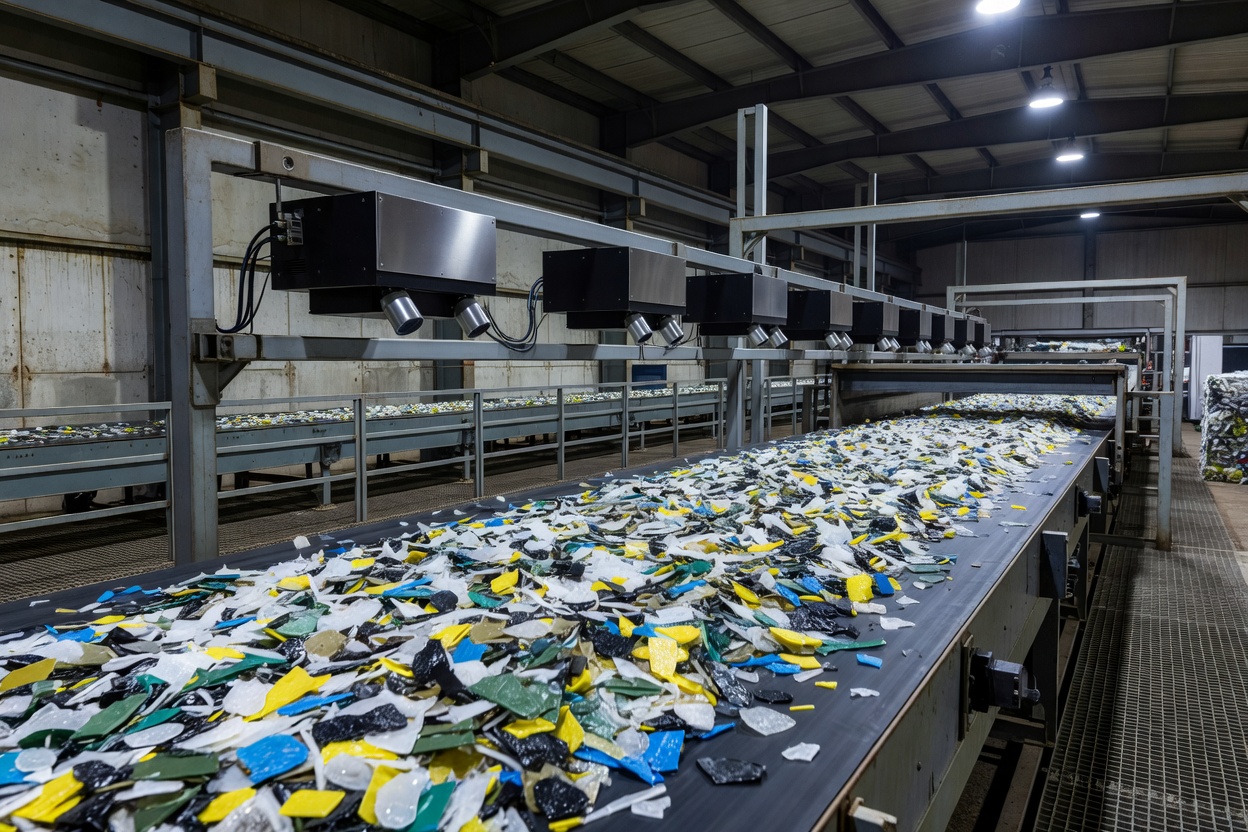
Industrial conveyor belt carrying mixed shredded plastic flakes under near-infrared optical sensors in a recovery facility
Advanced Processing Material Infrastructure

Recycling Technology & Material Recovery

Near-infrared spectroscopy, eddy current separators, and density-based flotation isolate pure polymers and alloys. Accurate separation reduces downcycling and limits polymer degradation in secondary extrusion.

Stream Focus: Mechanical Separation & Contamination
Optical Sorting Flotation Tanks Secondary Polymers
Clean stacked corrugated paper containers and standardized unpigmented mono-material logistics crates
Volume Mitigation Consumer & Industrial Logistics

Packaging & Waste Reduction

Multi-layer barrier laminates fail paper mill repulping lines. Transitioning to mono-material polyethylene pouches, unbleached kraft papers, and standardized deposit returns stabilizes reclamation efficiency.

Stream Focus: Mono-Materials & Return Logistics
Deposit Return Barrier Elimination Standard Formats
Exploded technical assembly view of a modular mechanical appliance showing reversible fastener clips and distinct material subassemblies
Upstream Engineering Industrial Design Units

Circular Product Design

Eighty percent of end-of-life material contamination stems from initial component joining choices. Replacing adhesives with reversible snap joints and uniform screw drives enables clean mechanical separation within minutes.

Stream Focus: Design for Disassembly (DfD)
Fastener Standardization Homogeneous Plastics Modular Chassis
Sequential Material Continuity

The Circular Material Loop

A technical sequence of 6 physical stages preserving raw material integrity across continuous industrial cycles.

01

DESIGN

Specify single polymers, eliminate permanent thermoset glues, and design fasteners for rapid disengagement.

Target: 100% Disassembly
02

USE

Maintain operational longevity via scheduled diagnostic checks, spare parts availability, and user care manuals.

Target: Extended Duty Cycles
03

COLLECT

Deploy segregated municipal containers and commercial deposit-return points to prevent baseline contamination.

Target: Source Purity
04

SORT

Utilize air-classification, ballistic separators, optical near-infrared cameras, and magnets to segregate scrap.

Target: Stream Fractions
05

RECOVER

Shred, wash, and regranulate uncontaminated fractions or chemically depolymerize high-grade resins.

Target: Secondary Resin Pellets
06

REUSE

Feed clean regrind into primary extrusion lines to replace virgin fossil pellets and raw bauxite ores.

Target: Closed-Loop Re-entry
Atlas Standards

Precision Over Assumptions

Every recovery stream carries distinct thermodynamic and chemical thresholds. Mechanical recycling degrades polymer chain lengths with each heat history. Secondary aluminium preserves 95% of initial smelting energy, while mixed plastics require strict sorting to avoid brittle secondary products. Practical circular systems account for these constraints before claiming closed-loop performance.